






Already an Interactive Brokers Client?
In this lesson, we’ll dive into some of the reports and publications that market participants typically rely on to make more informed investment decisions, including salient information about market conditions, crop yields, and supply and demand shifts – all of which hold an influence over pricing.
U.S. Department of Agriculture (USDA)
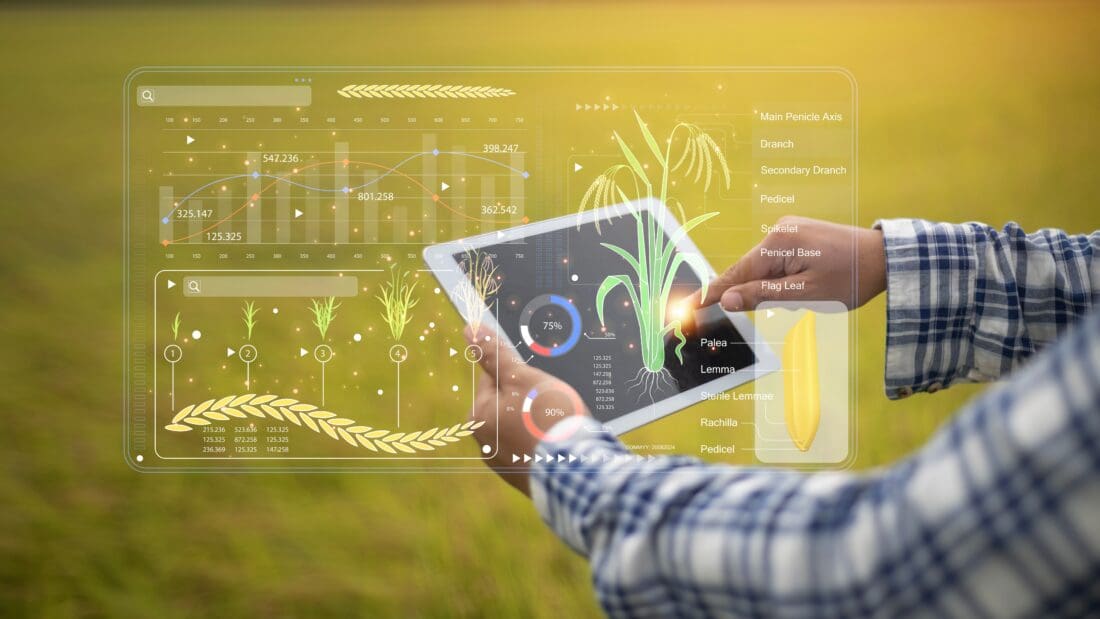
The U.S. Department of Agriculture (USDA) is not only a primary source of domestic, U.S. agricultural market data, but it’s also arguably one of the most critical resources used worldwide.
The USDA publishes a wide array of reports that are largely considered crucial to the agricultural commodities markets, including World Agricultural Supply and Demand Estimates, or “WASDE”, Crop Progress Reports, and Grain Stocks Reports, among others.
You can find many of these reports and more, directly from the USDA’s website, as well as via the CME Group.
WASDE, for example, offers global data on production, consumption, exports, and ending stocks. This report is prepared and released monthly by the World Agricultural Outlook Board (WAOB), and contains, among other crucial market-related insights, annual outlooks for supply and use of U.S. and world wheat, rice, coarse grains, oilseeds, and cotton. The report also covers U.S. supply and use of sugar, meat, poultry eggs, and milk, as well as Mexico’s supply and use of sugar.

Meanwhile, Crop Progress reports, which are released on a weekly basis, essentially track how much of each crop has been planted or harvested, along with data about temperature, and precipitation. This report is generally helpful for identifying potential delays or stress in the growing season.
Also, Grain Stocks Reports, published quarterly by the National Agricultural Statistics Service (NASS), offers updates on stocks of corn and other major grain & oilseed crops by state, including wheat, corn, soybeans, and more.
In fact, the USDA has several reports that are largely seen as helpful to agricultural commodities traders, including specific reports on wheat and livestock, as well as prospective plantings.
Livestock Reports, for example, provide detailed data on the inventories of cattle and hogs, which directly influence supply expectations. Fewer cattle, for instance, means lower beef supply, and likely higher prices – this type of data can assist traders, for example, in forming an outlook on the prices for live cattle and lean hog futures contracts.

Livestock Reports may also include data about meat exports and imports, which can help traders assess global demand and international market pressures.
Other considerations may extend to the grain markets given supply expectations, as livestock also affects feed volumes.
Commodity Futures Trading Commission (CFTC)
The Commodity Futures Trading Commission (CFTC) publishes a variety of reports on the state and health of the derivatives markets it regulates. These include the Commitments of Traders Report (COT), the Cotton On-Call Report, and its Weekly Swaps Report – with all the data from these reports available for public download and use from its website.
The COT Report, for example, which is released each Friday, is a publication that generally illustrates how different types of traders—commercial hedgers, institutional investors, and speculators—are positioned in the futures markets, which market participants might find useful for tracking market sentiment and potential reversals. For example, if speculators are overwhelmingly long corn contracts, this might indicate a bout of overconfidence—or a setup for a pullback.
Other Reports
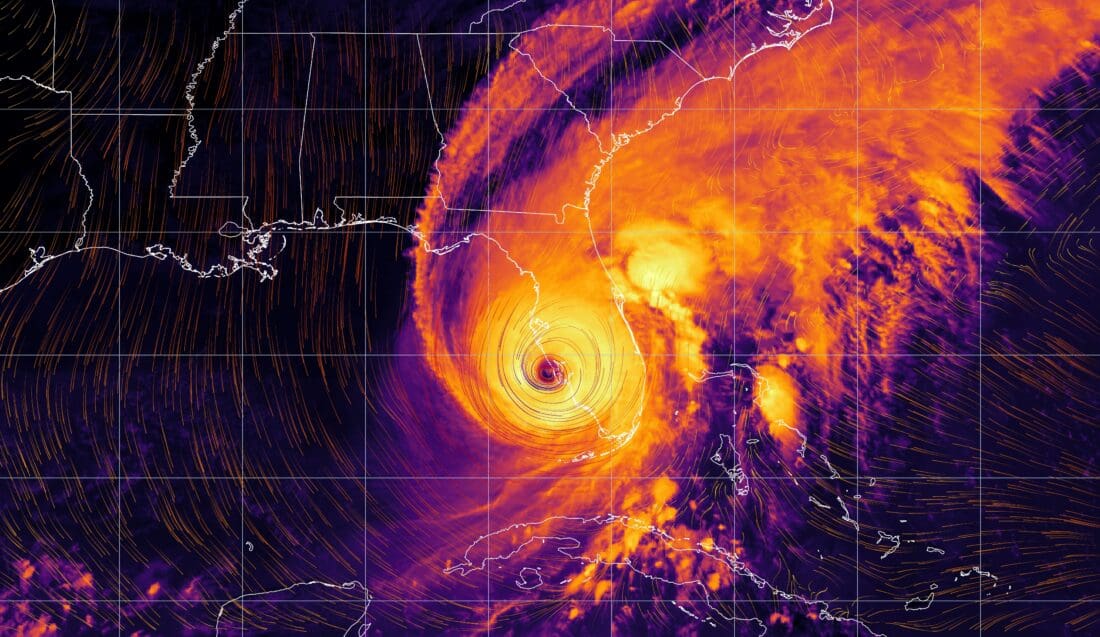
Other reports released by the U.S. and international governments can help address weather-related risks to agricultural commodities, including from the National Oceanic and Atmospheric Administration (NOAA), as well as the U.S. Drought Monitor, and the European Centre for Medium-Range Weather Forecasts – all of which can help provide outlooks on weather conditions, such as hurricanes, and El Niño events, as well as other temperature and rainfall anomalies. Long-term forecasts, for instance, can have an effect on planting decisions, while short-term outlooks can trigger sudden price changes in the market.
And since trading and investing in agricultural commodities is conducted worldwide, driven by global trade, and subject to geopolitical risks, market participants can make use of publications from a myriad of sources, such as the United Nation’s Food and Agriculture Organization (FAO), as one example – which offersinformation about food prices and crop conditions across the globe.
Country-specific Reports
Also, country specific reports such as from Brazil and Argentina would likely be useful for their respective crop estimates on top-producing commodities like soybeans and corn. Look to reports such as Brazil’s CONAB, or “National Supply Company”, which provides monthly updates on crop planting, production estimates, and harvest progress for soybeans, corn, coffee, sugar cane, cotton, and more; or Argentina’s Ministry of Agriculture Reports for weekly crop condition updates, harvest progress, and export volumes – with that country a major exporter of corn, wheat, and other products.
Moreover, Australia, Canada, India, and China, among other nations, each produces its own data that can include crop forecasts, production estimates, export trends, and weather conditions specific to these countries—and may serve as key reports for global agricultural commodities traders and investors, as well as policymakers.
Overall, there are plenty of resources agricultural commodities traders and investors can refer to for critical data and market information that impact prices. The USDA, CFTC, weather outlooks, and country-specific conditions – can all provide market participants with more-informed outlooks on the geopolitics and economics of these products globally.
Learn More
Reports & Data
U.S. Department of Agriculture (USDA)
Livestock and Poultry: World Markets and Trade
World Agricultural Outlook Board (WAOB)
National Agricultural Statistics Service (NASS)
Commodity Futures Trading Commission (CFTC)
Commitments of Traders Report (COT)
National Oceanic and Atmospheric Administration (NOAA)
U.S. Drought Monitor
Global Reports
Food and Agriculture Organization (FAO) of the United Nations
World Food Situation / FAO Food Price Index
Europe
European Centre for Medium-Range Weather Forecasts (ECMWF)
European Commission
South America
National Supply Company (CONAB) – Brazil
Agricultural Information Portal
Ministry of Economy – Argentina
Australia
Australian Bureau of Agricultural and Resource Economics and Sciences (ABARES)
Agricultural Commodities & Trade Data
India
Ministry of Agriculture & Farmers Welfare
Economics
U.S. Bureau of Labor Statistics (BLS) / Federal Reserve Bank of St. Louis (FRED)
Producer Price Index (PPI): Food Manufacturing
Consumer Price Index (CPI): Food in U.S. Average City
Product Codes & Exchanges
IBKR Podcasts
When Trade Wars Hit the Farm… Who Gets Plowed Under?
Lean Hog Futures – Is Anyone Bringing Home the Bacon?
Live Cattle Futures – Herd Around the World
Sugar Futures – Talk About a Cereal Killer
Eyepopping Corn Prices – Fueling Food Inflation
The War on Wheat – How Much Bread Is on The Table?
Traders’ Academy
Introduction to Grains and Oilseeds
Understanding South American Soybean Futures
Hedging with Grain and Oilseed Futures and Options
Traders’ Insight
Corn Sustainability in the United States
Navigating the U.S. Planting Season with Enhanced Risk Management
A Brewing Storm for Arabica Coffee
How Commodity Prices Impact Inflation
Explore CME Market Pulse for in-depth details on agricultural futures contracts, including corn, soybeans, Chicago wheat, live cattle, and more! This tool offers timely, AI-powered insights into futures markets, providing updates daily, including settlement prices, daily changes, highs and lows, and year-over-year comparisons – helping traders to make more informed decisions by highlighting significant market movements and trends.
Join The Conversation
If you have a general question, it may already be covered in our FAQs page. go to: IBKR Ireland FAQs or IBKR U.K. FAQs. If you have an account-specific question or concern, please reach out to Client Services: IBKR Ireland or IBKR U.K..
Visit IBKR U.K. Open an IBKR U.K. Account