



Already an Interactive Brokers Client?
Now that we’ve covered what agricultural commodities are, and how they may be transacted on a futures exchange, let’s now take a closer look at some of the types of market participants involved in the buying and selling of these products.
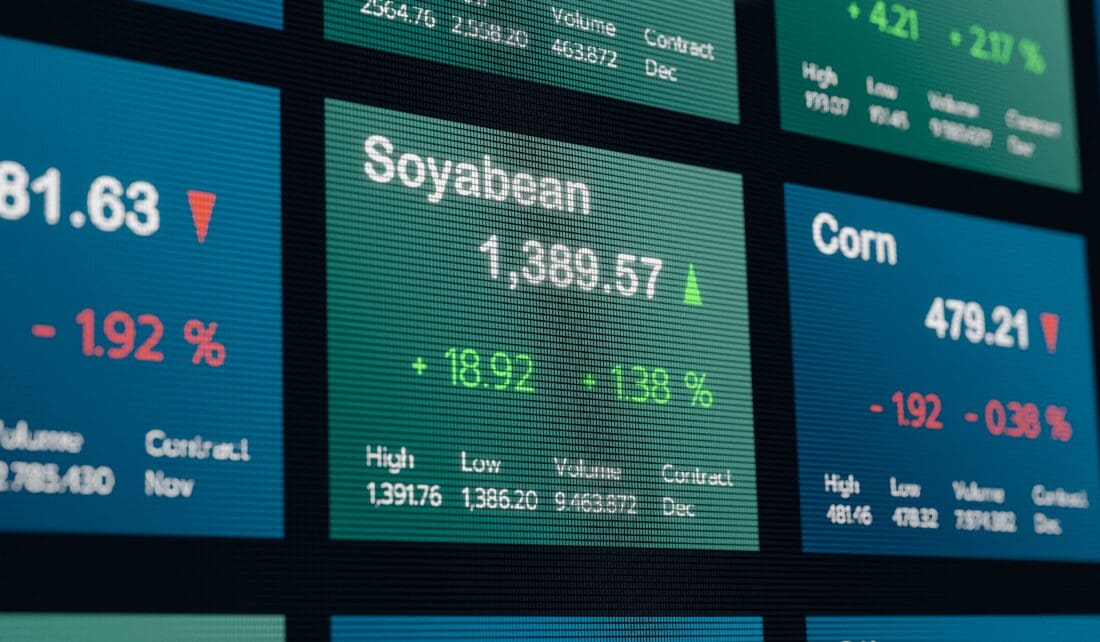
Who trades or invests in agricultural commodities?
We’ve already touched on some of these participants in our previous lesson, when describing the aims of hedgers and speculators in a corn futures contract, for example – but in this lesson, we’ll dive a bit more deeply into details.
In short, participants in the agricultural commodities markets are quite diverse — from farmers and food manufacturers to hedge funds and individual investors – each with their own rationale for transacting in these products.
Hedgers
Hedgers are participants with real exposure to commodity prices in their day-to-day business, where they use futures contracts to try and mitigate risk. These may include farmers and producers, food and beverage companies, or import-export firms.
For example, let’s say a wheat farmer is worried that prices will fall before harvest time. By selling a futures contract now, they can lock in a price and potentially protect their income.
Meanwhile, big food manufacturers like cereal makers or soft drink producers may buy futures to secure prices for ingredients like corn syrup or sugar to help stabilize input costs and protect their profit margins.
Also, in global trade, companies can use commodity contracts to manage the risk of fluctuating prices across different regions and currencies when performing import-export activities. These participants are generally using the market more to reduce uncertainty in their operations than make a profit from trading.
Speculators
Speculators are typically traders whose objectives are to profit from price movements, and they don’t necessarily have any interest in owning the physical commodity. These types of participants may include institutional investors and hedge funds, retail traders and individual investors, as well as commodity trading advisors (or “CTAs”).
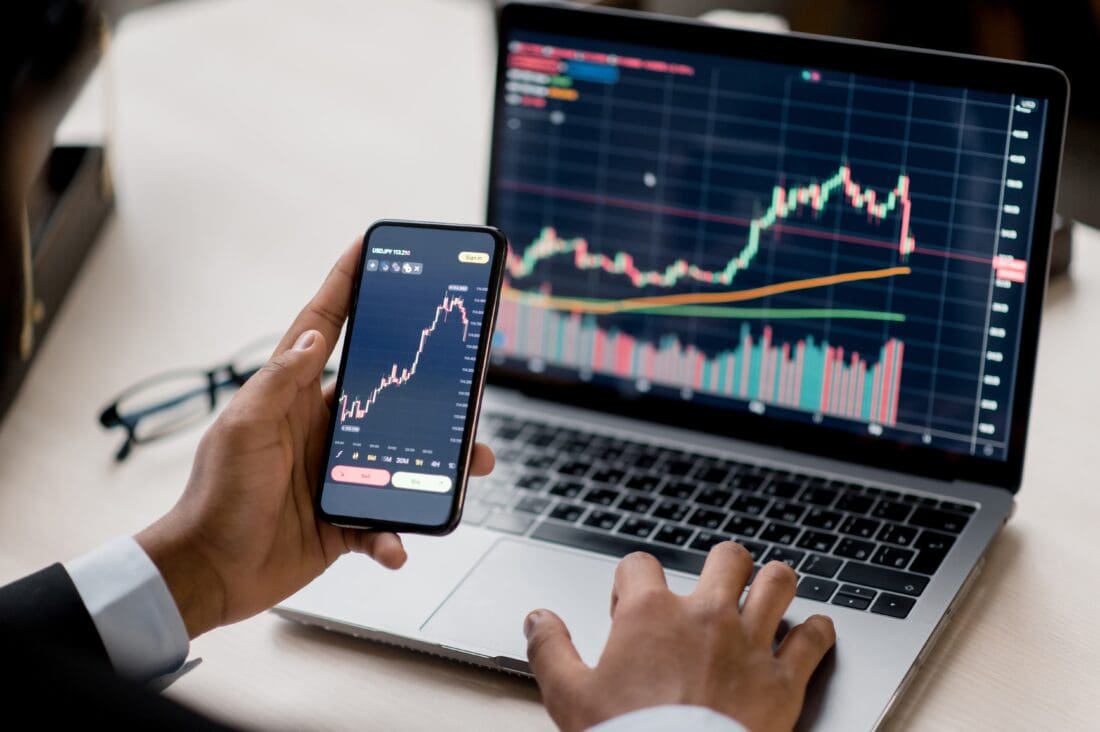
Institutional investors and hedge funds, for example, commonly use advanced trading strategies, algorithms, and economic outlooks to try to profit from short- or long-term price trends. They often trade in high volume and add liquidity to the markets.
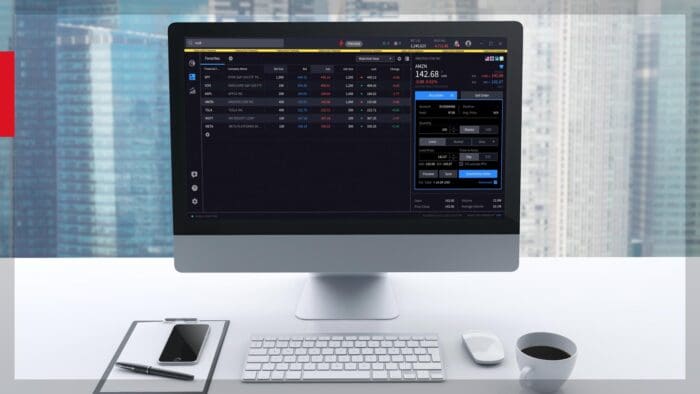
Also, retail traders and individual investors may take advantage of trading platforms (like Interactive Brokers), where individuals can trade futures and commodity-related exchange-traded funds (or “ETFs”). Some of these participants may be day traders, while others may hold positions for longer periods based on, say, their macroeconomic views.
Meanwhile, CTAs are professionals who manage client money using strategies focused on futures and options, including agricultural markets.
Overall, speculators play a vital role in the markets by adding liquidity and helping to provide more efficient functioning —even though they don’t produce or use the commodities themselves.
Other Market Participants
Other types of participants in the agricultural commodities markets may also include central banks and governments, who may monitor or even intervene in agricultural markets for economic stability or food security reasons, especially in developing countries. There are also thematic funds such as certain ETFs, mutual funds, and ESG-related funds, that may offer exposure to agricultural commodities without directly trading in futures.
In sum, whether it’s for managing business risks, building a diversified portfolio, or simply making a profit from short-term trends, agricultural commodities markets attract a wide variety of participants – with a scope that extends well beyond just farmers and food companies. In fact, agricultural commodities are a global asset class involving a wide cast of players—from institutional traders to individual investors. Understanding who’s in the market—and why—can inject valuable insight into price behavior and trading volume.
Learn More
Product Codes & Exchanges
IBKR Podcasts
When Trade Wars Hit the Farm… Who Gets Plowed Under?
Lean Hog Futures – Is Anyone Bringing Home the Bacon?
Live Cattle Futures – Herd Around the World
Sugar Futures – Talk About a Cereal Killer
Eyepopping Corn Prices – Fueling Food Inflation
The War on Wheat – How Much Bread Is on The Table?
Traders’ Academy
Introduction to Grains and Oilseeds
Understanding South American Soybean Futures
Hedging with Grain and Oilseed Futures and Options
Traders’ Insight
Corn Sustainability in the United States
Navigating the U.S. Planting Season with Enhanced Risk Management
A Brewing Storm for Arabica Coffee
How Commodity Prices Impact Inflation
Explore CME Market Pulse for in-depth details on agricultural futures contracts, including corn, soybeans, Chicago wheat, live cattle, and more! This tool offers timely, AI-powered insights into futures markets, providing updates daily, including settlement prices, daily changes, highs and lows, and year-over-year comparisons – helping traders to make more informed decisions by highlighting significant market movements and trends.
Join The Conversation
If you have a general question, it may already be covered in our FAQs page. go to: IBKR Ireland FAQs or IBKR U.K. FAQs. If you have an account-specific question or concern, please reach out to Client Services: IBKR Ireland or IBKR U.K..
Visit IBKR U.K. Open an IBKR U.K. Account