



Lesson #1
Definition of a Futures Contract

Forward and futures contracts are financial instruments that allow market participants to offset or assume the risk of a price change of an asset over time.
Capital you invest is at risk. | Capital you invest is at risk.
Trading Course
New to futures or looking for a refresher? This course is designed for you. Dive into the basics of futures contracts, how contracts trade on a futures exchange, the different ways customers use these instruments and the benefits that futures provide. Gain a stronger understanding of how futures work and why more market participants are using derivatives in their trading strategies today.
Contributed by 
Forward and futures contracts are financial instruments that allow market participants to offset or assume the risk of a price change of an asset over time.
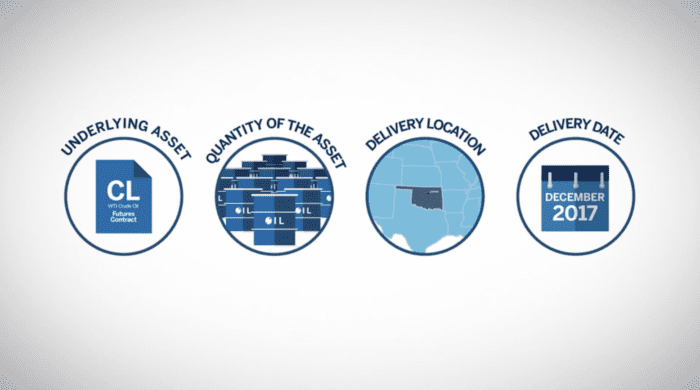
Every futures contract has an underlying asset, the quantity of the asset, delivery location, and delivery date.
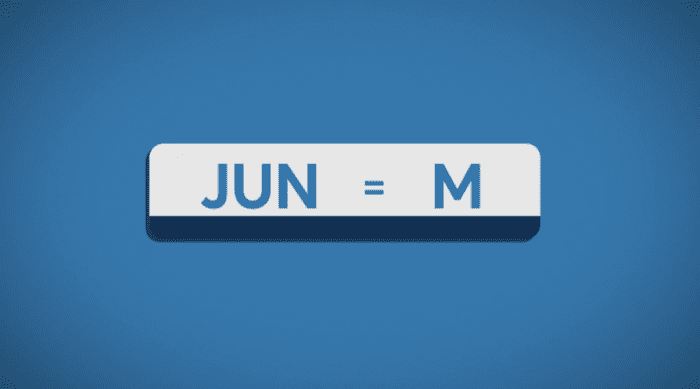
The display format of futures contract codes is fundamental to understanding pricing across multiple expirations.

This lesson will provide an overview of futures expiration and settlement.

All futures contracts have a minimum price fluctuation also known as a tick. Tick sizes are set by the exchange and vary by contract instrument.
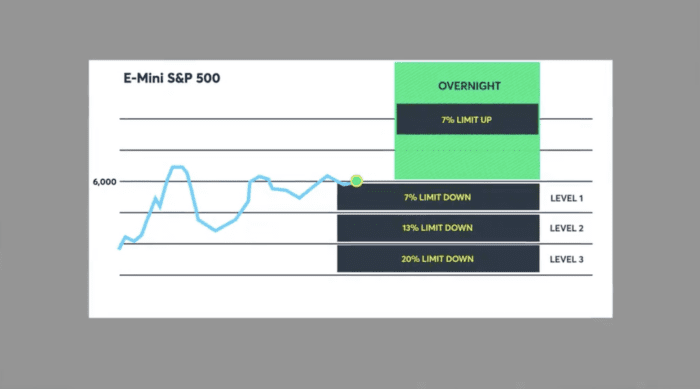
As a trader, you want to know that there are mechanisms in place to ensure an orderly market. A regulated marketplace like CME Group provides this order by setting price limits and price banding.

The contract unit is a standardized size unique to each futures contract and can be based on volume, weight, or a financial measurement, depending on the contract and the underlying product or market.

One of the defining features of the futures markets is daily mark-to-market (MTM) prices on all contracts. The final daily settlement price for futures is the same for everyone.

Securities margin is the money you borrow as a partial down payment, up to 50% of the purchase price, to buy and own a stock, bond, or ETF. This practice is often referred to as buying on margin.
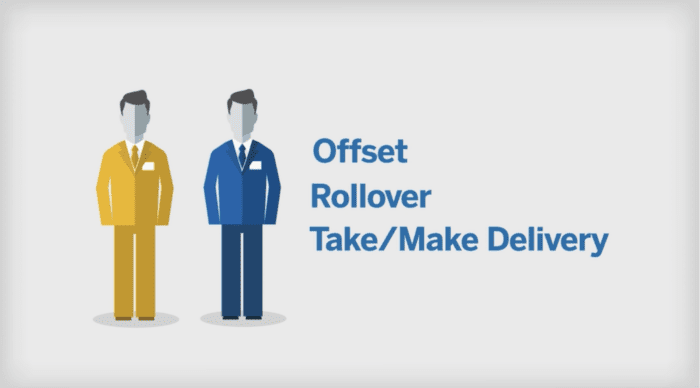
Futures contracts have a limited lifespan that will influence the outcome of your trades and exit strategy. The two most important expiration terms are expiration and rollover.

Price discovery refers to the act of determining a common price for an asset. It occurs every time a seller and buyer interact in a regulated exchange. Because of the efficiency of the futures markets and the ability for the instant dissemination of information, bid and ask prices are available to all participants and are instantly updated across the globe.
Market participants trade in the futures market to make a profit or hedge against losses. Each market calculates movement of price and size differently, and as such, traders need to be aware of how the market you are trading calculates profit and loss.

Speculators are primary participants in the futures market. A speculator is any individual or firm that accepts risk in order to make a profit.

Hedgers are primary participants in the futures markets. A hedger is any individual or firm that buys or sells the actual physical commodity.

Today’s futures markets are technologically sophisticated global marketplaces, trading at high speeds on electronic platforms, around the globe, nearly 24 hours a day. But did you know that futures trading traces back to ancient Greek and Phoenician merchants, who transported their goods for sale around the known world, opening deep and lasting global interconnections based on trade?

Futures contracts and forward contracts are agreements to buy or sell an asset at a specific price at a specified date in the future. These agreements allow buyers and sellers to lock in prices for physical transactions occurring at a specific future date to mitigate the risk of price movement for the given asset through the date of delivery.

Volume is reported for all futures contracts. It is calculated by counting the number of contracts that have been bought and sold over a given time. You can track volume using different time intervals like daily or intraday.

Open interest is the total number of futures contracts held by market participants at the end of the trading day. It is used as an indicator to determine market sentiment and the strength behind price trends.